
The Exhaustion of Pretending You’re Fine
A warm, honest look at body acceptance, masculinity, social nudity, and why so many men feel exhausted performing confidence.

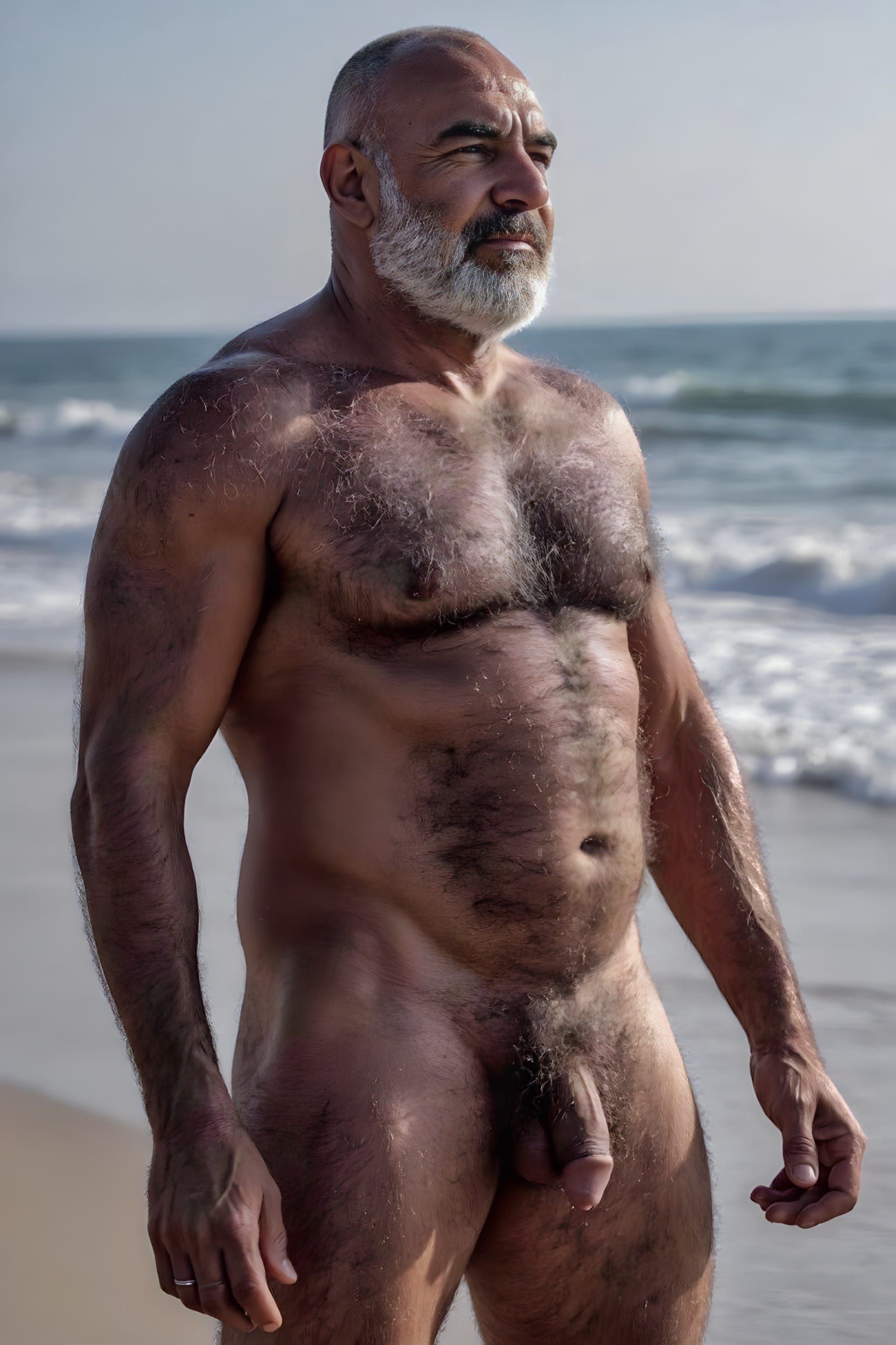
There’s a particular kind of exhaustion that sleep doesn’t fix.
Not the kind that comes from working too hard or staying up too late scrolling through your phone while pretending you’re “relaxing.” I mean the deeper kind. The kind that settles into your chest after years of trying to be who you think everybody else needs you to be.
A lot of men are carrying that around right now.
You can see it in the gym mirror. In filtered selfies. In forced confidence. In the way some men joke about aging before anybody else can mention it first. You can hear it in the “I’m good, man” responses that come way too fast.
For all the conversations we have about body positivity for men, very few men actually feel safe enough to admit they’re struggling with their bodies, their confidence, their loneliness, or the pressure to constantly perform masculinity correctly.
And honestly? That pressure is exhausting.
The funny thing is that I’ve seen more honest conversations happen around a pool at a clothing optional resort than at half the bars I’ve ever been to.
Not because everybody suddenly becomes enlightened once they take their shorts off.
Because pretending gets harder when there’s nowhere left to hide.
The Performance Most Men Never Talk About
A lot of men spend their entire lives performing.
Performing strength. Performing confidence. Performing success. Performing indifference. Performing sexuality. Performing youth.
Even performing relaxation.
Especially online.
Social media has quietly turned male insecurity into a competition nobody admits they’re participating in. You’re supposed to look fit but effortless. Successful but unbothered. Attractive but not vain. Sensitive but not “too emotional.” Sexual but not vulnerable.
It’s like every guy got handed a script nobody remembers agreeing to.
And the worst part?
Most men think they’re the only ones failing at it.
Real Bodies Look Different in Real Life
The first time I experienced real social nudity in a group setting, I noticed something almost immediately:
Nobody looked like Instagram.
Not the younger guys. Not the older guys. Not the fit guys. Not the confident guys.
Bodies had softness. Stretch marks. Surgical scars. Uneven tans. Hair in strange places. Bellies that moved when people laughed. Faces that looked tired sometimes.
You know. Human beings.
And somewhere in the middle of all that humanity, something inside me unclenched.
Because comparison culture survives on distance.
It survives on edited photos, perfect angles, and tiny curated glimpses of people’s lives. But when you’re sitting around a pool with actual people in actual bodies, the illusion starts cracking pretty fast.
That’s one reason naturism and the broader nudist lifestyle can feel unexpectedly emotional for some people. The freedom isn’t just physical.
It’s psychological.
You stop spending every waking second trying to manage how you appear.
Aging Hits Men Harder Than We Admit
Men are often taught that aging should feel empowering. Distinguished. Sexy. Rugged.
And sometimes it does.
But there’s another side to it that men rarely talk about openly.
There’s grief in it too.
The first gray hair is one thing. Then suddenly your body changes shape. Your energy changes. Recovery changes. Sleep changes. Your face starts looking a little more like your father’s face. Sometimes that feels comforting. Sometimes it knocks the wind out of you.
A lot of men quietly panic when they realize they no longer look the way they did at 28.
And because men are trained to suppress vulnerability, that panic often comes out sideways. Obsessive gym routines. Emotional withdrawal. Sarcasm. Overcompensation. Chasing validation online. Pretending not to care while caring deeply.
I’ve watched men in their 50s apologize for their stomachs before taking off their shirts.
I’ve watched men in their 30s panic about hair loss like it’s the end of their identity.
I’ve watched incredibly attractive men pick themselves apart with a cruelty they would never use on anybody else.
That’s not vanity.
That’s fear.
The Nervous System Knows When You’re Safe
One thing people don’t talk about enough regarding mental health and nudity is how profoundly relaxing it can feel to stop monitoring yourself constantly.
When you’re accepted as you are, your body notices.
Your breathing changes.
Your shoulders drop.
You sleep differently.
You laugh more.
You stop calculating every angle of yourself.
There’s a reason many people describe nude travel or time in clothing optional environments as emotionally freeing rather than sexual. For some people, it’s one of the only spaces where they’re not actively performing every second.
No status symbols.
No complicated uniforms.
No trying to prove you belong.
Just people existing together.
That simplicity can feel strangely healing.
Vulnerability Is Not Weakness
A lot of men are starving for spaces where they can be honest without immediately being judged, mocked, or treated like a problem that needs fixing.
Not every conversation needs to become therapy. Sometimes men just need permission to say:
“Yeah, I’m struggling a little.”
Or:
“I don’t really like myself lately.”
Or even:
“I’m tired.”
That level of honesty shouldn’t feel revolutionary, but for many men, it still does.
And maybe that’s why experiences centered around body acceptance, community, and authenticity can feel so powerful. Whether it’s a weekend getaway, a conversation with friends, or a first step into the world of social nudity, the deeper experience is often the same:
Being seen without constantly defending yourself.
Maybe You Don’t Need to Fix Yourself
That’s the thought I keep coming back to lately.
Maybe every insecurity doesn’t need to become a self-improvement project.
Maybe your body is not a problem waiting to be solved.
Maybe confidence is less about becoming fearless and more about becoming less ashamed.
And maybe the exhaustion so many men feel isn’t because they’re failing at life.
Maybe it’s because they’re exhausted from performing it.
There’s a strange kind of freedom that happens when a man realizes he doesn’t have to earn his right to exist comfortably in his own body.
Not after he loses twenty pounds.
Not after he gets more confident.
Not after he becomes more successful.
Now.
As he is.
And honestly? That realization can change everything.