
We Learned How to Grieve Before We Learned How to Age

First it was the 1990s. Next, whether we like it or not, it will be the 2030s.
If you were gay and conscious in the 90s, there is a decent chance you learned about death far earlier than you should have. Friends did not fade away slowly. They vanished. One week they were at the bar, at work, at dinner, flirting, laughing, making plans. The next week they were gone. Not theoretical loss. Not distant tragedy. Actual people with voices and habits and inside jokes, wiped out in waves by the AIDS epidemic. Entire circles collapsed. Coworkers disappeared. Familiar faces thinned out until absence itself became familiar. Death stopped being abstract and started shaping how many of us chose to live, love, and move through the world.
This past year, I have lost five friends. Not to AIDS. Not to accidents. Not to anything dramatic or headline-worthy. Just to the quiet, relentless math of getting older. Organs fail. Bodies give up. Time collects its debt.
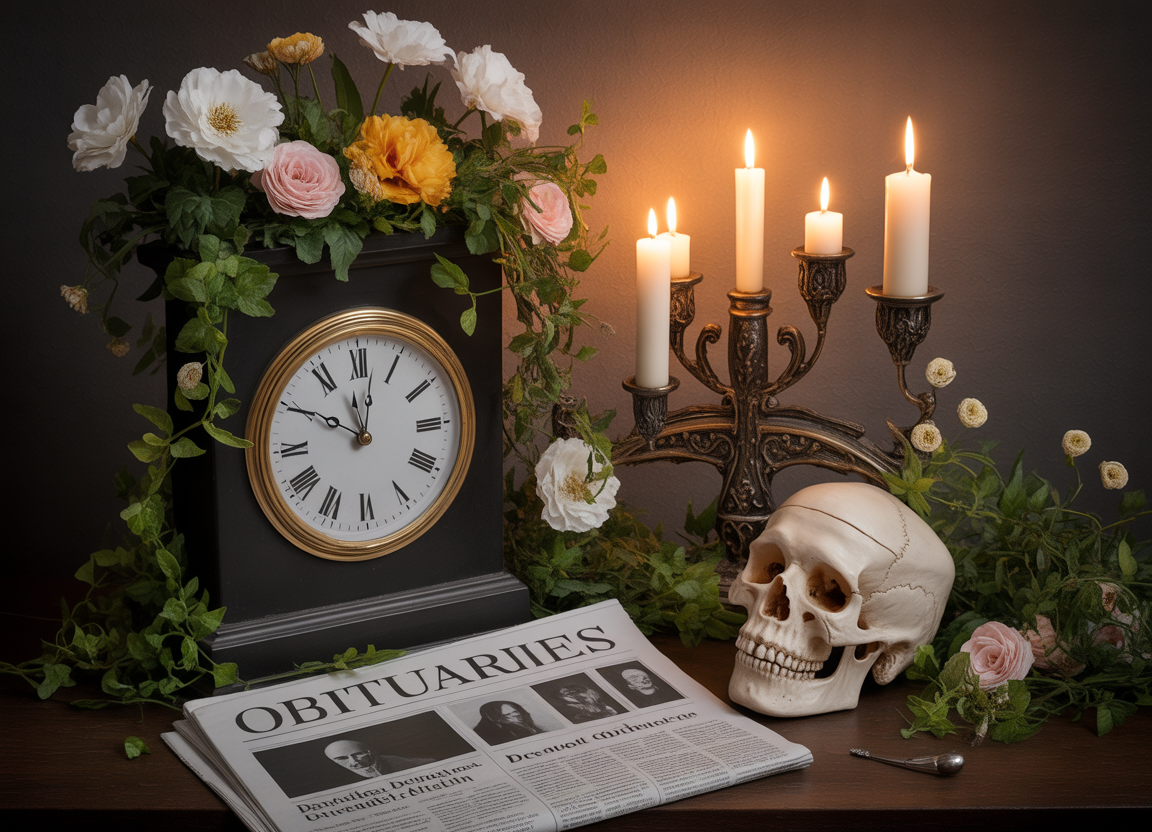
I think about my mother a lot lately. I remember her mornings clearly. She would make a pot of coffee, light a cigarette, sit down at the table, and open the newspaper directly to the obituaries. She did not linger. She scanned. Then she would point her cigarette at a name and say, “Well, she’s dead.” Sometimes she added context. “We went to school together. She didn’t like me because I stole her boyfriend.” That was it. Sip of coffee. Flick of ash. On with the day.
That routine never changed. Not for years. A week rarely passed without someone she knew dying. At the time, it felt morbid, almost cartoonish, like something out of a sitcom you laugh at and then forget. What I did not realize then was that she was already living in the phase I have now entered.
I am older now than she was during those quiet obituary mornings.
I am at the age where names I recognize are starting to appear in those columns, or in Facebook posts, or in hushed group texts that begin with “Did you hear about…?” It feels eerily familiar. This is the second death epidemic of my lifetime. It is slower, less dramatic, far less politicized, but no less real. And while the first one never got easier, no matter how many funerals we attended, it did prepare me for this moment in a way I did not understand at the time.
That is why my house is full of skulls and macabre touches. It is not a fascination with darkness. It is a practice of remembering. It reminds me to live large now, to experience what I can while my body still cooperates, to love with intention instead of postponement, and to leave things better, kinder, and more honest for the ones who come after me.
Because one day, someone else will be pointing at my name and moving on with their morning.