
What Are We Afraid of Being Fooled By?

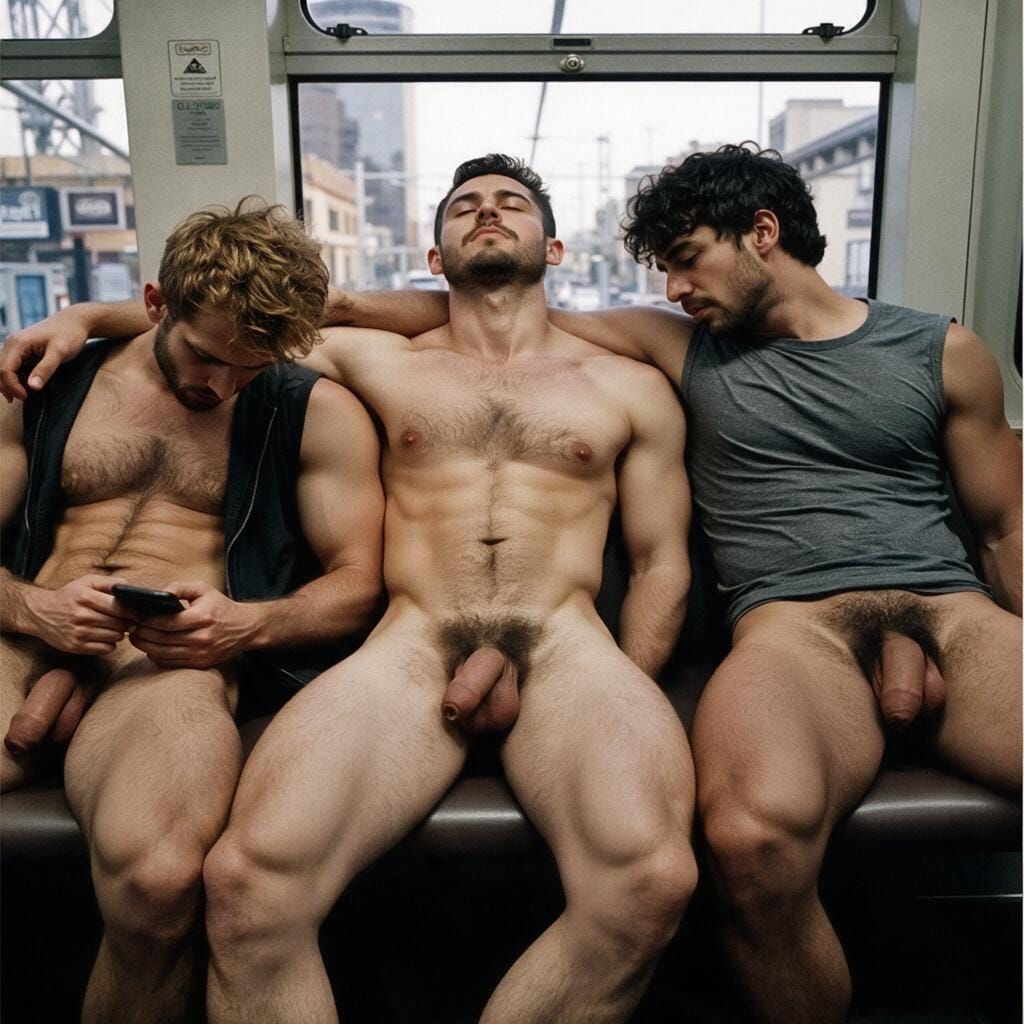
In Sunday’s newsletter, quite a few of you had hot opinions about AI art. I appreciated the conversation. You gave me things to think about, and I enjoyed hearing the different points of view. A room full of men who agree with everything I say would get boring. Convenient, perhaps, but boring.
One comment came up repeatedly: AI images should be labeled.
I understand the sentiment, at least to a degree. But I keep coming back to a question.
What, exactly, do we need that label to tell us?
Were you hoping to find the man in the picture? Buy a print from the artist? Hire the photographer? Those are reasonable reasons to care about where an image came from.
Or is it simply that you don’t want to look at something, enjoy it, and then discover you’ve been fooled?
That last one interests me, partly because I feel it too.
Bob and I now watch videos online and ask each other, “Is that real?” Sometimes we can tell. Sometimes we can’t. We joke that between us getting older and AI getting better, somebody is eventually going to scam the pants off us. And gentlemen, getting our pants off usually requires considerably less technology.
But there’s a serious distinction here. If someone uses a fabricated person or story to get your money, your trust, or your affection, the deception has consequences. A fake romantic prospect, a fraudulent investment, or manufactured evidence deserves scrutiny.
Does an illustration accompanying a newsletter article require the same scrutiny?
For the image above, I’ve included the sources and tools I used to prepare it. I found the picture on Tumblr. I did a Google Lens search and could not find the original source. It is very possibly AI, or a composite photo from several sources. The quality wasn’t great, so I used an upscaling tool to improve its sharpness, then took it into Mage to colorize it. About seven minutes later, I had an image for this article.
That tells you what I did to it. It doesn’t tell you everything that happened before I found it.
Was the original photograph retouched? Was something removed? Was the lighting altered? Was it even a photograph to begin with? Finding an image online doesn’t come with a little envelope containing its entire life story.
And that’s where a seemingly simple request becomes a much bigger job.
There are a lot of images in these newsletters and magazines. Documenting every source, tracing the original creator, investigating alterations, and trying to establish whether each picture depicts an actual person could turn a seven-minute task into half an hour or more. Even then, I might finish with an honest “I don’t know.”
That doesn’t make transparency unimportant. It does make me question what level of investigation is reasonable for the purpose an image serves.
A picture presented as evidence of an actual event makes a claim. A picture chosen to set the mood for an article serves a different purpose. I think that difference deserves a place in this conversation.
I also understand that some of you care about supporting human artists, knowing whose work you’re enjoying, or deciding whether you want AI imagery in your life at all. Those concerns go beyond being fooled. A label helps you make that choice.
Fair enough.
But I wonder whether part of our reaction is about control.
We can ask a newsletter publisher to label a picture. We can leave a comment, unfollow an account, or tell someone we don’t like what they posted. Those are manageable actions with visible results.
Getting clear answers about a government claim, what a company puts in our food, where our money goes, or whether someone in our personal life is telling us the truth can be considerably harder. The stakes are higher, and our ability to get an honest answer may feel smaller.
Perhaps an image in our feed becomes a place where we can finally put our foot down.
“At least don’t fool me here.”
I get that. Nobody enjoys feeling gullible. Discovering that something fooled us can bruise our pride, even when it hasn’t done us any other harm.
But I’d like us to ask what we’re protecting in each situation. Our money? Our relationships? An artist’s livelihood? Our ability to understand the world? Or our pride in being able to spot the difference?
We can care about more than one thing. Caring about a picture doesn’t mean you’ve stopped caring about democracy or what’s in your dinner. Still, our time and attention are limited, and I think it’s reasonable to consider where we spend them.
I’m glad we’re having this conversation. I don’t expect everyone to land where I do, and I’m still working out where I land myself.
But before we settle on “label everything,” I’d love to get clearer about the question underneath it:
What do you need to know about an image, and what would knowing change for you?