
When the Fence Went Up: The Story of Rhode Island’s Lost Nude Beach
For years, Moonstone Beach was a quiet Rhode Island tradition where clothing was optional and community came naturally. Then conservation efforts, changing rules, and one very long fence changed everything

Original Story Here.
There was a time when if you lived in New England and wanted to spend a summer day with nothing but sunscreen and good company, there was one place everybody seemed to know.
Moonstone Beach.
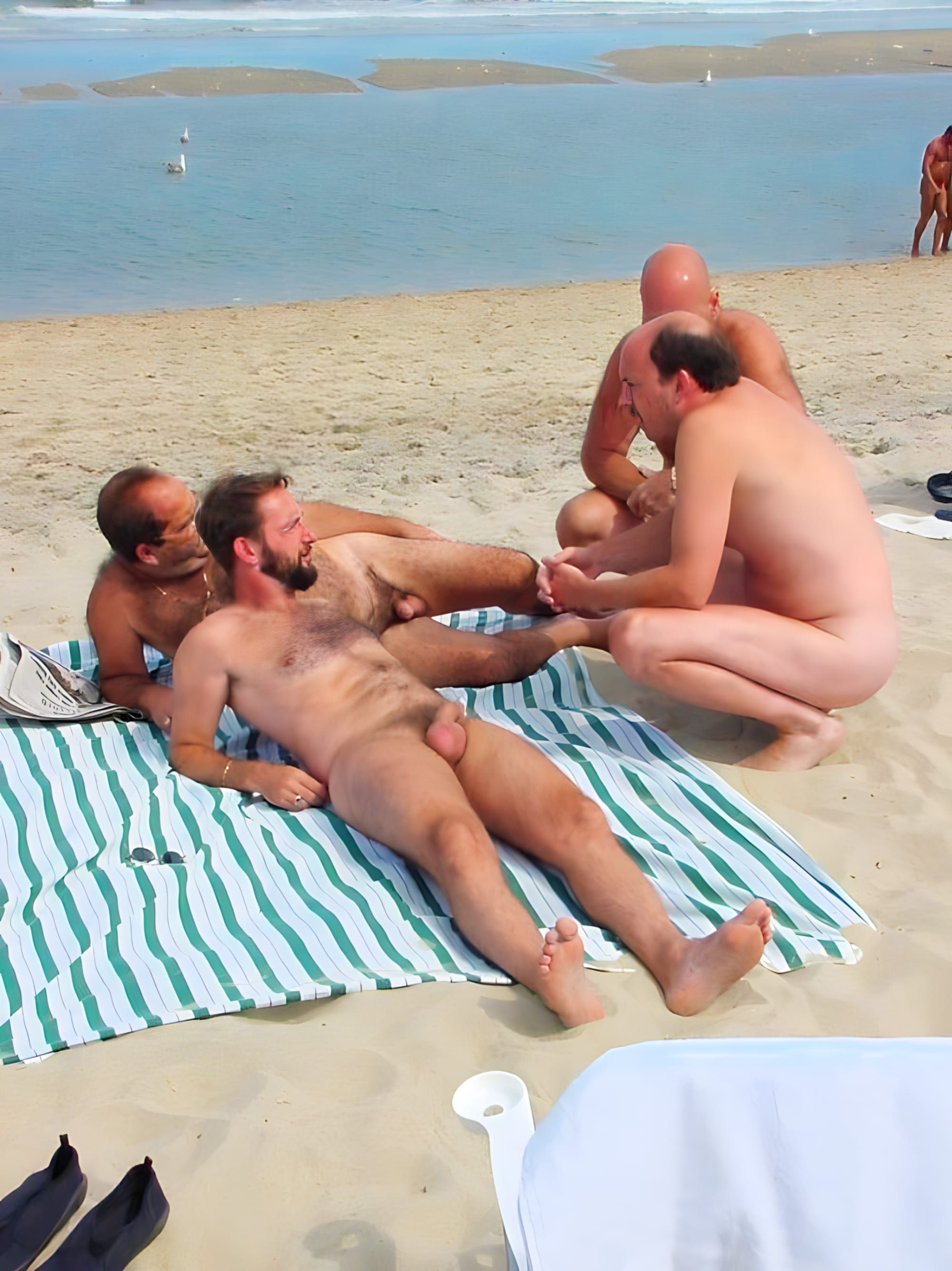
Tucked between the Rhode Island villages of Matunuck and Green Hill, Moonstone quietly became something special in the 1970s and 1980s. It was never a polished resort. There were no memberships, no cabanas, and no branded beach towels. Just sand, salt air, and a simple agreement among strangers that for a few hours, clothes were optional and life felt a little lighter.
Then came a fence.
In April of 1988, the U.S. Fish and Wildlife Service began installing a four-foot-high fence stretching roughly a mile along the beach. The reason was not what many nudists feared at the time.
The target wasn’t nudity.
It was birds.
Moonstone had become an important nesting area for piping plovers and least terns—small shorebirds whose populations had dropped enough to earn federal protection under the Endangered Species Act. Officials argued that nesting areas were being disrupted and that eggs had been lost to predators attracted by trash and human activity.
From the government’s perspective, the beach needed space to recover.
From the naturists’ perspective, something meaningful was being taken away.
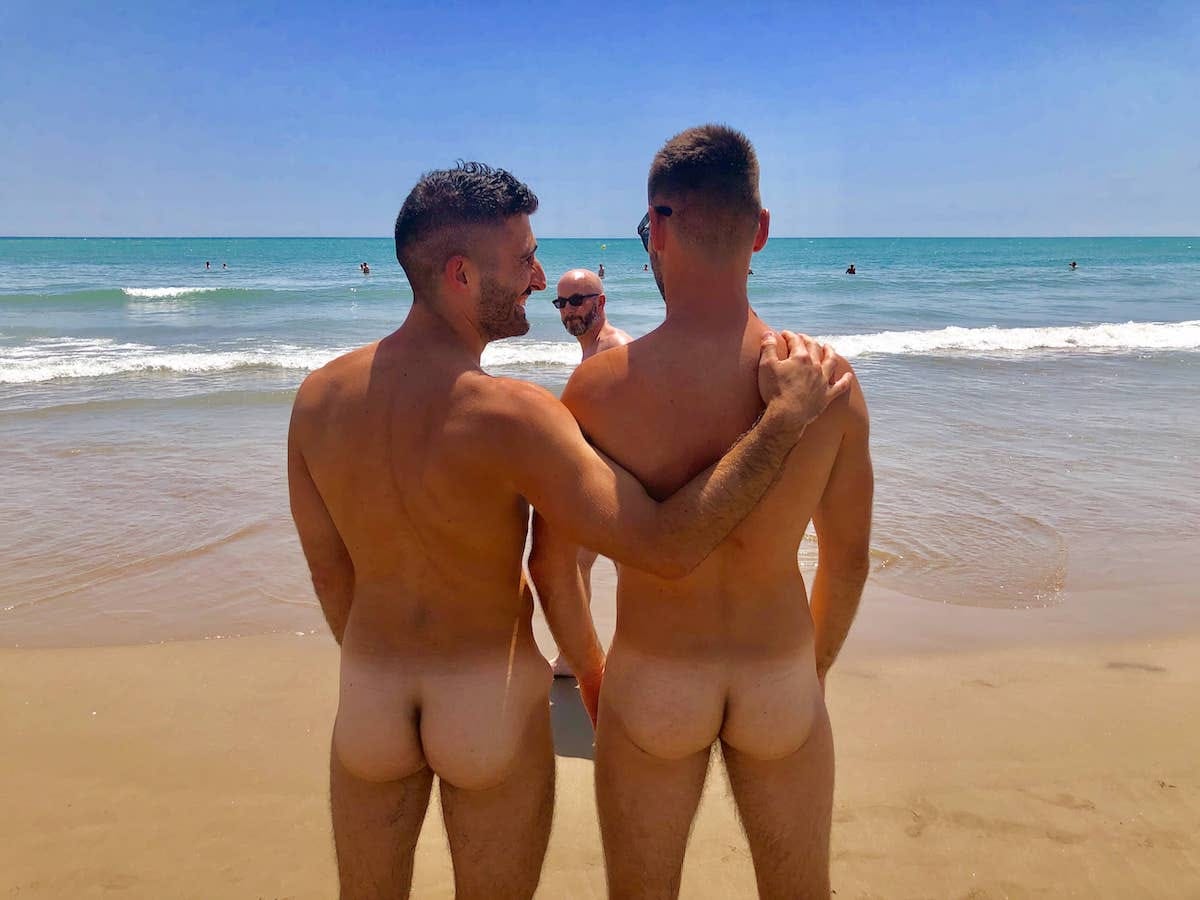
Suddenly, beachgoers who had stretched out freely for years found themselves squeezed into a narrow strip between the water and the fence. South Kingstown later added restrictions limiting nude use near the public beach area, and what had been New England’s best-known nude beach became increasingly difficult to use.
Naturists pushed back.
There were letter-writing campaigns. Legal challenges. Demonstrations. At one point, members of the New England Naturist Association even staged fully clothed protests—because apparently irony was alive and well in Rhode Island.
The fight wasn’t entirely unsuccessful. In 1990, the association secured a lease for a smaller nearby beach area and built a temporary new home. Attendance remained strong. People still showed up. Community found a way.
But by 1992, zoning issues closed that chapter too.
And just like that, Moonstone’s era as Rhode Island’s nude gathering place faded into memory.
Looking back now, nearly forty years later, this story feels less like a fight between nudists and conservationists and more like a reminder that public spaces are fragile. Communities can exist quietly for decades and disappear faster than anyone expects.
The good news?
Naturism didn’t disappear.
It adapted.
Because if there is one thing naked people have always been unusually good at, it’s finding each other.
And if history tells us anything, where there’s sunshine and somebody saying, “Do you think anyone comes here nude?” … somebody already does.