
Learning to Love the Imperfections

Bob and I moved into our house here in Mexico about a year and a half ago. It took almost a full year before we finally had the first floor painted. We were thrilled with the results. The painters did an amazing job, and every room finally had the colorful Mexican character we had fallen in love with.
This past weekend, we hired a pair of carpenters to shorten and reinstall the cabinet above our refrigerator. They did solid work, but they weren't especially gentle.
While lifting the cabinet into place, they slammed it into the door frame.
Our house doesn't have wooden trim around the doors. Like many older Mexican homes, it's plaster. The impact knocked away a chunk of it, leaving a fresh scar that wasn't there the day before.
Bob immediately saw another repair on the growing to-do list.
I saw a story.
One of the things I've come to appreciate about Mexico, and many parts of Europe, is that people don't always rush to erase every mark of age or wear. Buildings develop cracks. Stone steps become smooth after centuries of footsteps. Paint fades. Corners get bumped. Life leaves fingerprints behind, and somehow the place becomes even more beautiful because of them.
That little chip in our doorway reminded me of a Japanese philosophy called wabi-sabi.
Most of us grew up chasing perfection.
We wanted the perfect body. The perfect relationship. The perfect home. The perfect vacation photos. We were taught that wrinkles should disappear, scars should be hidden, and mistakes should never happen.
Wabi-sabi quietly says the opposite.
Beauty lives in imperfection.
An old wooden table with scratches from decades of family dinners. A favorite coffee mug with a chipped handle. A weathered leather chair that has molded itself to the person who sat there for years. None of these things are less beautiful because they've aged. They're more beautiful because they've lived.
Wabi-sabi rests on three simple ideas.
Nothing lasts.
Nothing is finished.
Nothing is perfect.
When I read those three lines, I couldn't help thinking about our own community.
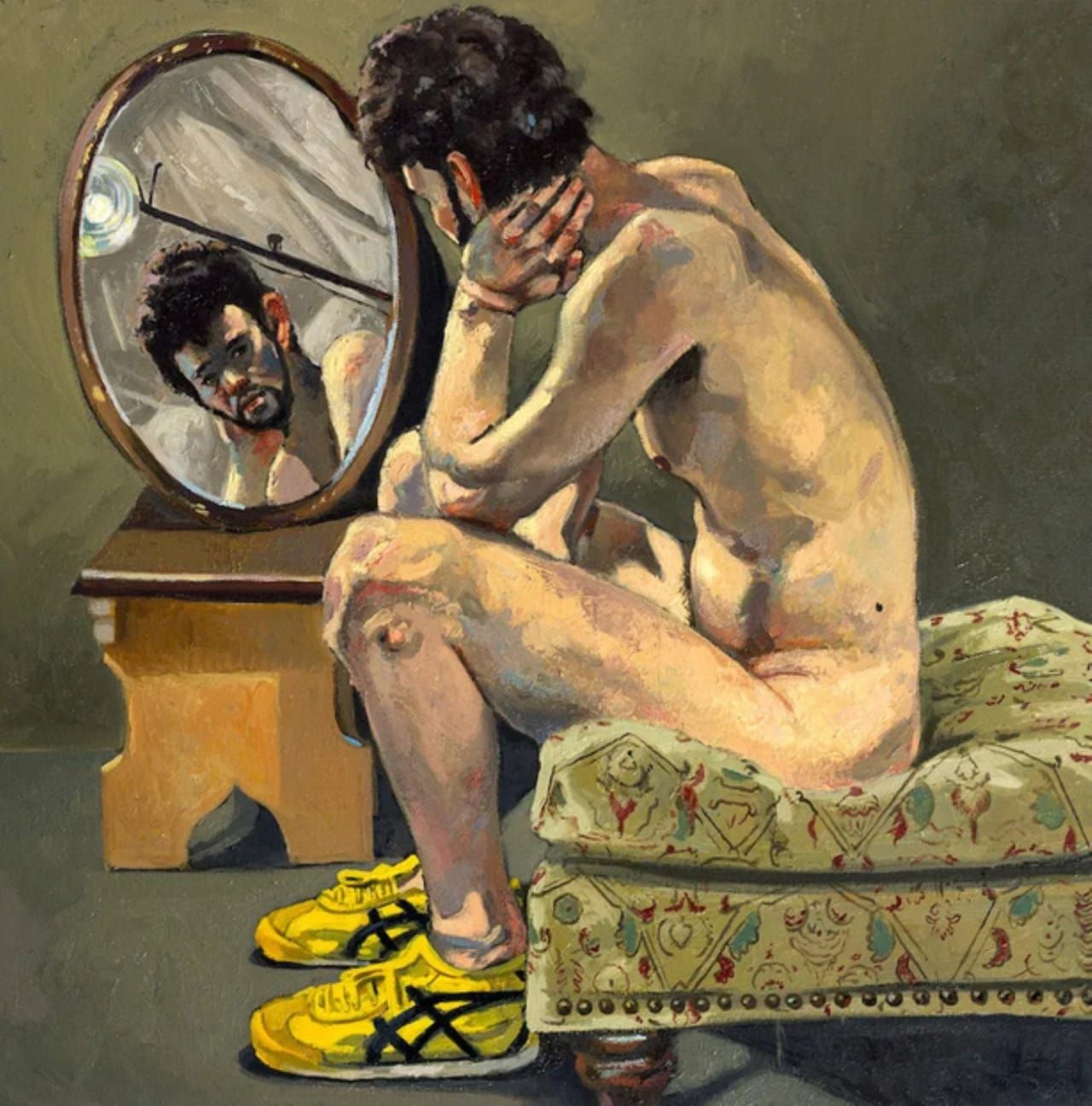
Many of us spend far too much time apologizing for getting older. We worry about gray hair, soft bellies, surgery scars, stretch marks, and all the little changes that come with simply staying alive long enough to collect them.
But what if those things aren't defects?
What if they're proof that you've lived?
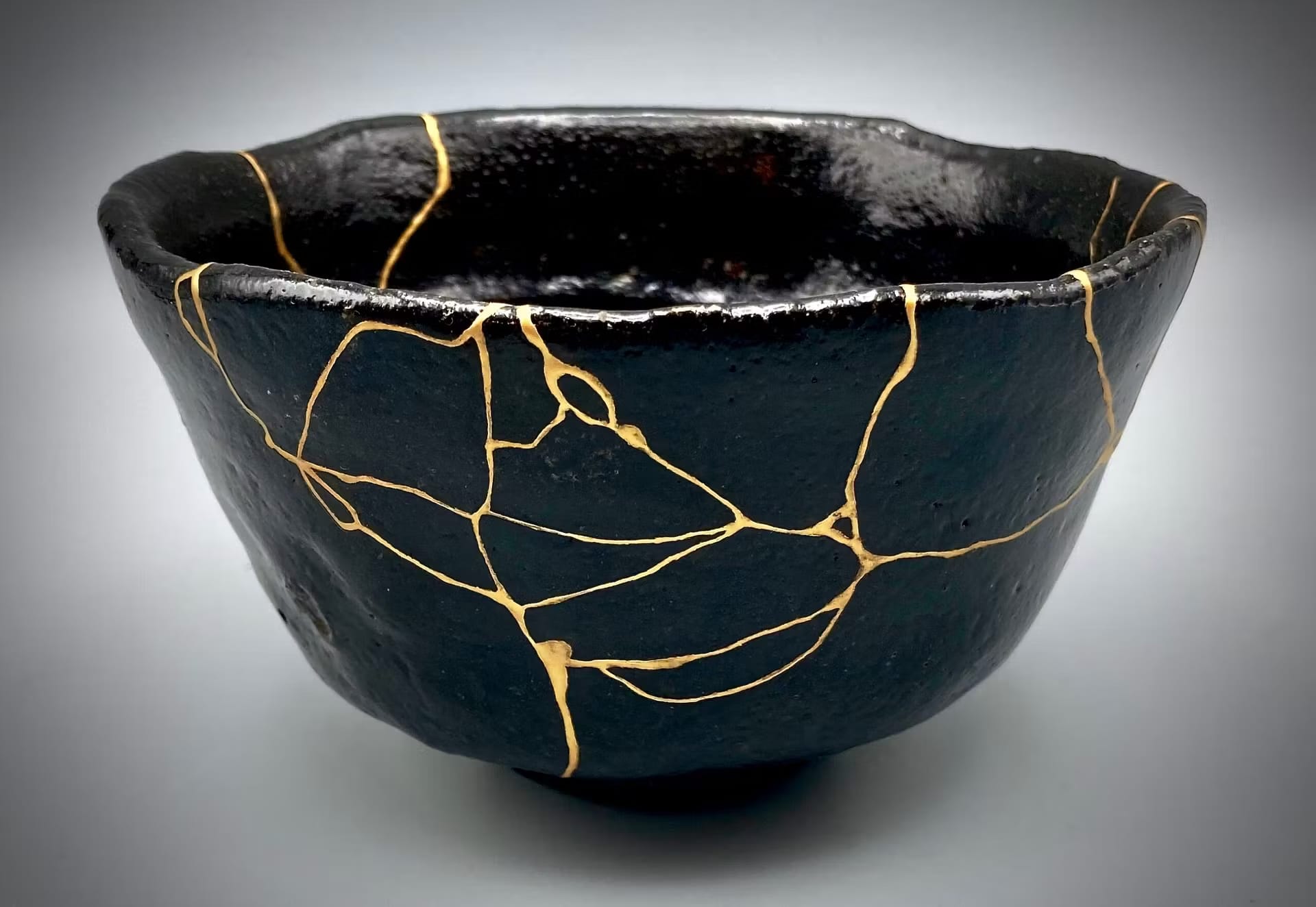
Japanese culture has another tradition called kintsugi. When a ceramic bowl breaks, they don't throw it away or try to hide the damage. They repair the cracks with gold. The break becomes part of the story. The repaired bowl often becomes more treasured than it was before.
I love that idea.
Every scar tells a story. Every wrinkle marks another year you were lucky enough to experience. Every friendship that drifted apart and somehow found its way back again leaves its own golden seam.
Your life was never supposed to look untouched.
Neither was your body.
So this week, give yourself a little grace. Instead of focusing on what time has changed, spend a moment appreciating what time has given you.
Maybe you've become kinder.
Maybe you've become wiser.
Maybe you've become more comfortable in your own skin than you ever were at twenty-five.
That sounds a lot more beautiful to me than perfection ever did.