
The Loneliest Men I Know Look Completely Fine Online
The loneliest men often look the most put together online. Beneath curated photos, polished bodies, and carefully managed confidence, many are quietly starving for real connection. This essay explores masculinity, comparison culture, vulnerability

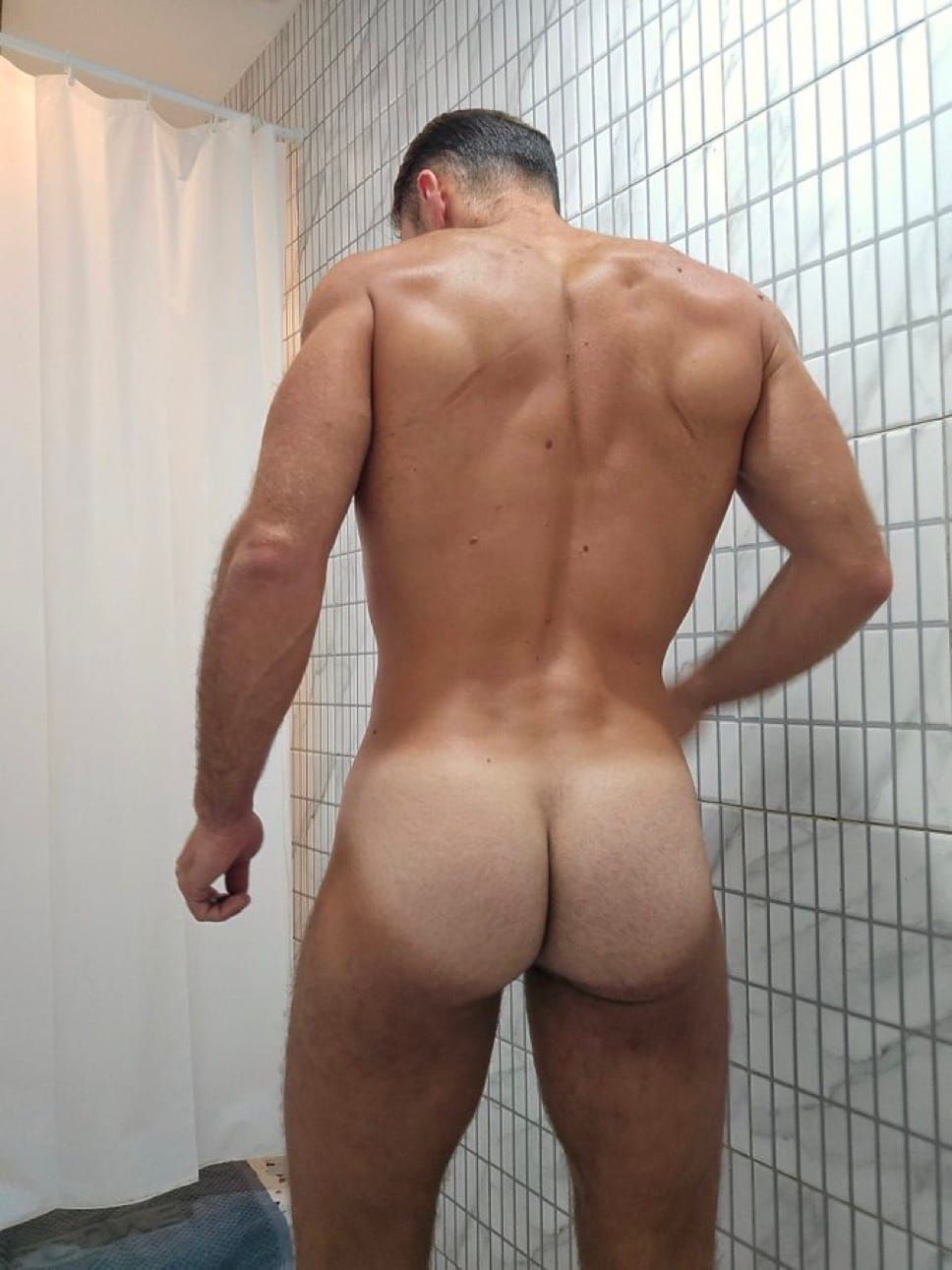
The loneliest men I know rarely look lonely.
They’re smiling in photos from rooftop bars. Posting gym selfies under perfect lighting. Sharing vacation pictures with cocktails balanced against sunsets so cinematic they almost look AI-generated. Their feeds are full of “living my best life” energy. Their bodies look disciplined. Their apartments look clean. Their jokes land. Their followers respond with little flames and heart emojis and comments about how amazing they look.
And then sometimes, late at night, they confess they haven’t had a real conversation in weeks.
Not surface conversation. Not “How’ve you been?” conversation. I mean the kind where someone actually exhales around another human being. The kind where nobody is performing competence, masculinity, desirability, success, youth, or control.
That kind of loneliness is becoming strangely common among men.
Especially gay men.
We’ve built entire digital ecosystems around perception. Around angles. Around curation. Around managing how we are seen before anyone gets close enough to actually know us. And social media rewards it. The more polished the image, the more approval comes rushing in.
But approval and connection are not the same thing.
A man can collect thousands of likes and still feel emotionally invisible.
Honestly, sometimes the better someone looks online, the more carefully they may be hiding.
That doesn’t mean people are fake. Most aren’t. It just means many of us learned very early that visibility comes with risk. We learned to edit ourselves into something safer. More desirable. More acceptable. More impressive. Less vulnerable.
Some men hide their bodies.
Some hide their age.
Some hide their softness.
Some hide their fear that they are becoming irrelevant.
Some hide how badly they want closeness.
And some become so practiced at managing perception that they no longer know how to relax around other people at all.
That’s part of why clothing-optional spaces can feel unexpectedly emotional for first-time visitors.
People assume nudity automatically makes things sexual. Sometimes it can. But that’s not usually the thing newcomers remember most.
What catches many people off guard is how normal everyone becomes.
The bodies stop being categories surprisingly fast.
You stop mentally sorting men into winners and losers. Hot and not. Young and old. Worthy and unworthy. The comparison machine starts losing steam because reality interrupts fantasy. Real bodies have scars. Stretch marks. Surgery lines. Bellies. Body hair. Softness. Thinness. Thickness. Aging. Humanity.
And oddly enough, that reality can feel deeply calming.
There’s something psychologically exhausting about constantly existing as a brand. Constantly adjusting posture, clothing, lighting, language, and personality for consumption. Even confidence itself sometimes becomes performance art.
But in spaces where people are simply existing instead of marketing themselves, conversations often shift too.
Men talk longer.
They laugh differently.
Walls come down.
The guy you assumed was wildly confident admits he struggles with anxiety. The older man you barely noticed turns out to have the best stories in the group. The person who would never survive Instagram’s beauty economy becomes magnetic in real life because warmth, humor, kindness, and presence do not photograph nearly as well as abs do.
That realization can hit hard.
Because somewhere along the line, many of us quietly started confusing visibility with worth.
We started believing that if we could just perfect ourselves enough, someone would finally choose us, love us, desire us, invite us, validate us, or stay.
But perfection is a terrible strategy for intimacy.
People connect through humanity far more than polish.
And yet modern life keeps pushing us toward performance. Toward optimization. Toward endless self-improvement projects disguised as self-worth. Better body. Better skin. Better feed. Better apartment. Better morning routine. Better masculinity.
Exhausting, isn’t it?
Sometimes freedom starts in surprisingly small ways.
Turning off the phone for a weekend.
Taking a trip where nobody knows your résumé.
Sitting in a hot tub without worrying how your stomach looks.
Letting someone see you relaxed instead of impressive.
Being around people who are not trying to win.
That last one matters more than we admit.
Because many men are starving for environments where they do not have to compete every second. Places where they can simply exist without ranking themselves against everyone else in the room.
That’s why so many people describe their first positive nudist or clothing-optional experience in emotional terms rather than physical ones.
They talk about relief.
About sleeping better.
About feeling quieter internally.
About realizing how tense they normally are.
About laughing more than they expected.
About feeling accepted before they earned it.
And maybe that’s the deeper hunger underneath all of this.
Not attention.
Not perfection.
Not endless visibility.
Just the desire to finally feel real around other people again.