
You Haven't Seen a Normal Body in Years

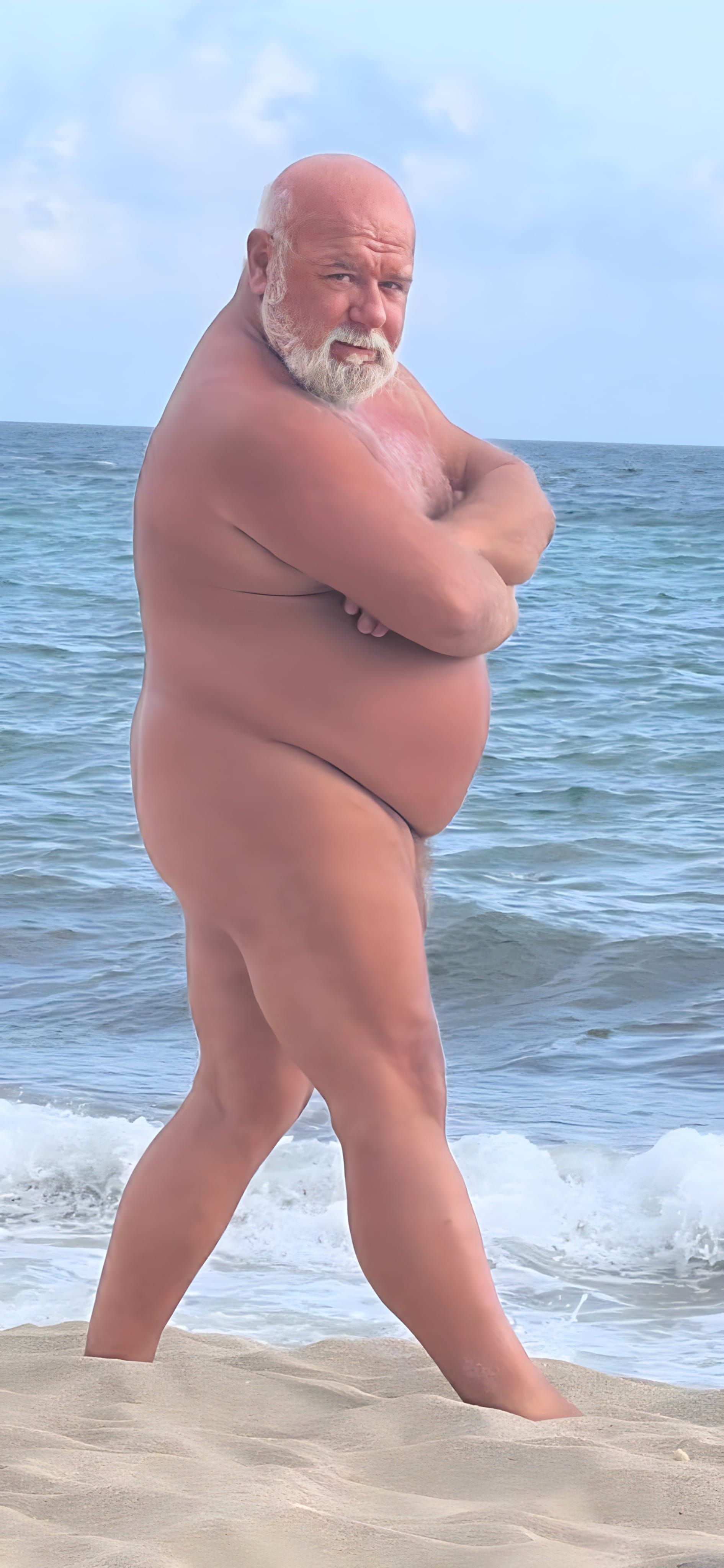
Part Two
Body Acceptance Doesn’t Mean Loving Everything
The language around body positivity sometimes makes people uncomfortable because it sounds as though we’re supposed to stand naked in front of a mirror every morning and celebrate every inch of ourselves. For many men, that’s not realistic, and forcing enthusiasm isn’t much healthier than criticism.
Body acceptance offers a gentler idea. You don’t have to love every change in your body to stop fighting with your body all day.
You’re allowed to wish your stomach were smaller and still go swimming. You’re allowed to miss having more hair and still enjoy being photographed. You’re allowed to notice wrinkles without treating them as evidence of failure. You’re allowed to work on your health while refusing to make your happiness conditional on reaching a particular weight.
This is where naturism has something useful to offer people who will never call themselves naturists. The underlying idea is surprisingly ordinary: your body doesn’t have to qualify for participation.
You don’t need to lose fifteen pounds before taking the vacation. You don’t need another year at the gym before visiting the beach. You don’t need to look younger before allowing yourself to be seen. Life is already happening, and your current body is the one coming along for the trip.
Body Positivity for Men Has a Masculinity Problem
Men have become better at talking about mental health, but body insecurity often stays hidden behind humor. We joke about getting old, joke about our bellies and joke about losing our hair because joking feels safer than admitting we sometimes struggle with what we see.
At the same time, men receive a complicated collection of instructions about appearance. We’re supposed to be fit without appearing obsessed with fitness, masculine without looking like we’re trying too hard, sexually appealing without seeming vain, and confident regardless of how we feel. Aging is acceptable as long as we somehow continue looking youthful.
Those expectations create a strange performance. Clothing helps with it. We learn which shirts make our shoulders look broader, which shorts make our legs look better and which colors hide the parts we don’t like. None of this is inherently unhealthy. Clothing is fun, personal and expressive. The interesting question is what happens psychologically when those tools disappear for a while.
In social nudity, there’s less available for managing the impression. The expensive shirt is gone, the flattering jeans are gone and the outfit you spent twenty minutes choosing is sitting in a bag somewhere. You’re standing there with the same equipment nature handed everybody else.
At first, the vulnerability feels intense. Once you realize everyone else is similarly exposed, something starts to soften. There’s less energy spent presenting yourself and more room for simply being yourself.
Mental Health and Nudity: When Comparison Gets Quieter
Nudity isn’t therapy, and a weekend at a clothing optional resort doesn’t erase decades of insecurity. Claims about mental health and nudity deserve more care than promises that taking your shorts off will magically fix your relationship with yourself.
Still, there’s something psychologically interesting about seeing bodies outside the contexts where we usually evaluate them. A body on a dating profile gets assessed within seconds. A body in an advertisement exists partly to sell something. A body in porn appears within a sexual context. Social media turns bodies into content measured through likes, comments and attention.
A real person standing in front of you refuses to stay two-dimensional for long.
The man you initially notice because of his body becomes the guy who tells a hilarious story over lunch. Another becomes the person who welcomes you when you’re nervous. Someone else knows everything about travel, gardening, music or wine. The older gentleman sitting by the pool turns out to have lived a life so interesting you forget whatever you initially noticed about his waistline.
Bodies become attached to personalities, histories and relationships again. Once that happens, measurements start feeling like surprisingly useless information.
Eventually you begin wondering whether other people experience you the same way. Perhaps they aren’t cataloging your flaws. Perhaps they’re listening to your stories, remembering your laugh or deciding they’d like to have another drink with you.
That possibility gives the inner critic a little less authority.