
Your Body Is Not a Before Picture

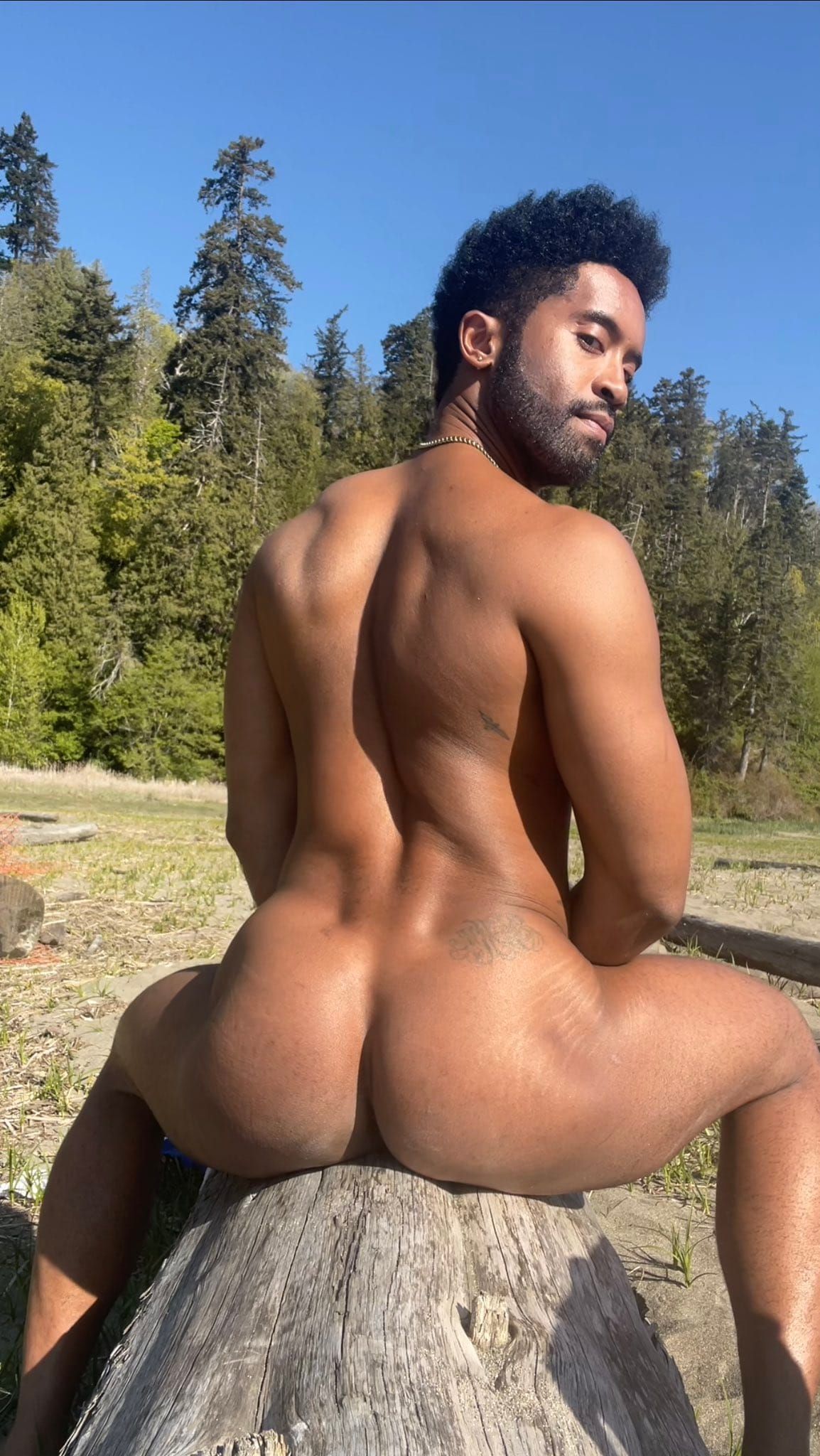
There’s a strange kind of sadness that settles into a lot of men by the time they hit their 40s, 50s, and beyond.
You see it at the gym. On dating apps. In locker rooms. In the way men joke about their bodies before anybody else can. You see it in the photos they refuse to post and the vacations they almost take but don’t because they “want to lose a little weight first.”
And somewhere along the line, many of us quietly absorb this idea that our real life hasn’t started yet.
I’ll feel confident once I lose twenty pounds.
I’ll take the trip once I look better.
I’ll let somebody touch me once I fix this stomach.
I’ll be happy once my body becomes acceptable.
That’s a brutal way to live.
Especially because the finish line keeps moving.
The Lie We Keep Selling Ourselves
We live inside a culture that constantly treats the male body like a renovation project. Everywhere you look, there’s another transformation photo, another impossible fitness routine, another filtered image pretending to be reality.
Even body positivity for men sometimes gets twisted into another performance.
You’re still expected to be desirable. Still expected to age correctly. Still expected to somehow become a calmer, richer, fitter, sexier version of yourself every single year like a human software update.
Meanwhile, real bodies are sitting over here doing their best.
Real bodies get older.
Real bodies carry stress.
Real bodies survive divorce, grief, surgeries, depression, caretaking, layoffs, medications, heartbreak, and late-night tacos.
Real bodies also laugh until they cry. Swim naked in cold water. Dance badly in kitchens. Hold friends through funerals. Climb stairs. Heal. Adapt. Keep going.
That deserves far more respect than most of us give ourselves.
Social Media vs. Real Human Bodies
One of the weirdest things about social media is that it’s convinced many people they are uniquely flawed.
You scroll long enough and suddenly everybody else appears hairless, younger, richer, tighter, smoother, happier, and more sexually confident than you.
But then something fascinating happens when people experience social nudity or visit a clothing optional environment for the first time.
Reality crashes back in.
You see men with bellies. Men with scars. Men with body hair. Men with flat asses, thick waists, crooked teeth, stretch marks, knee replacements, surgical scars, sun damage, soft chests, and absolutely normal human bodies.
And instead of being horrifying?
It’s strangely comforting.
Because for the first time in a long time, your nervous system stops comparing itself to curated fantasy bodies and remembers what actual humans look like.
That’s one of the hidden gifts of the nudist lifestyle and naturism that people rarely talk about honestly enough. It’s not really about perfection. It’s about normalization.
The Quiet Healing of Being Seen
I’ve watched this happen over and over in nude travel groups and clothing optional resorts.
A guy arrives wrapped in anxiety. He keeps adjusting his towel. Avoids eye contact. Sucks in his stomach every time he walks past someone.
Then somewhere around day two or three, something softens.
Not because his body changed.
Because his fear did.
He realizes nobody is grading him.
Nobody handed out scorecards at the pool.
Nobody cares that he’s aging. In fact, half the men around him are aging too. Some confidently. Some awkwardly. Some beautifully. Most honestly.
And little by little, the performance starts falling away.
That’s where body acceptance begins for many men. Not with affirmations in a mirror. Not with forcing yourself to “love your flaws.” Sometimes it begins much smaller than that.
Sometimes it begins with neutrality.
This is my body.
This body got me here.
This body deserves sunlight and rest and pleasure too.
That’s a much gentler doorway than demanding instant self-love.
Mental Health and Nudity
There’s also a reason so many men describe social nudity as emotionally calming without fully understanding why.
Clothing carries identity. Status. Performance. Armor.
When you remove it in safe environments, something in the nervous system often exhales.
You stop adjusting yourself constantly.
You stop managing appearances every second.
You stop wondering if you look successful enough, masculine enough, attractive enough, young enough.
For a little while, you simply become a person existing in a human body.
That simplicity can be deeply regulating.
Mental health and nudity are connected in ways we still don’t talk about enough, especially among men who have spent decades feeling emotionally guarded or physically self-conscious.
No, getting naked doesn’t magically solve insecurity.
But it can interrupt the constant static of comparison long enough for you to hear yourself again.
Your Life Is Happening Right Now
The hardest truth may be this:
Your body is not a before picture.
Your life is not paused until you become more acceptable to yourself.
You do not get these years back.
Not the beach trips.
Not the rooftop sunsets.
Not the laughter.
Not the friendships.
Not the chance to feel comfortable in your own skin while you are still alive enough to enjoy it.
And honestly? Most of the people judging bodies the hardest are usually trapped in war with their own.
So maybe the goal isn’t becoming fearless.
Maybe the goal is smaller and kinder than that.
Maybe it’s simply this:
Wear the swimsuit.
Take the trip.
Try the clothing optional resort.
Sit shirtless in the sun.
Stop apologizing for your age every five minutes.
Let yourself exist in photos.
Let yourself be seen by people who care about you.
Because confidence rarely arrives first.
Usually, life comes first.
And confidence slowly catches up later.